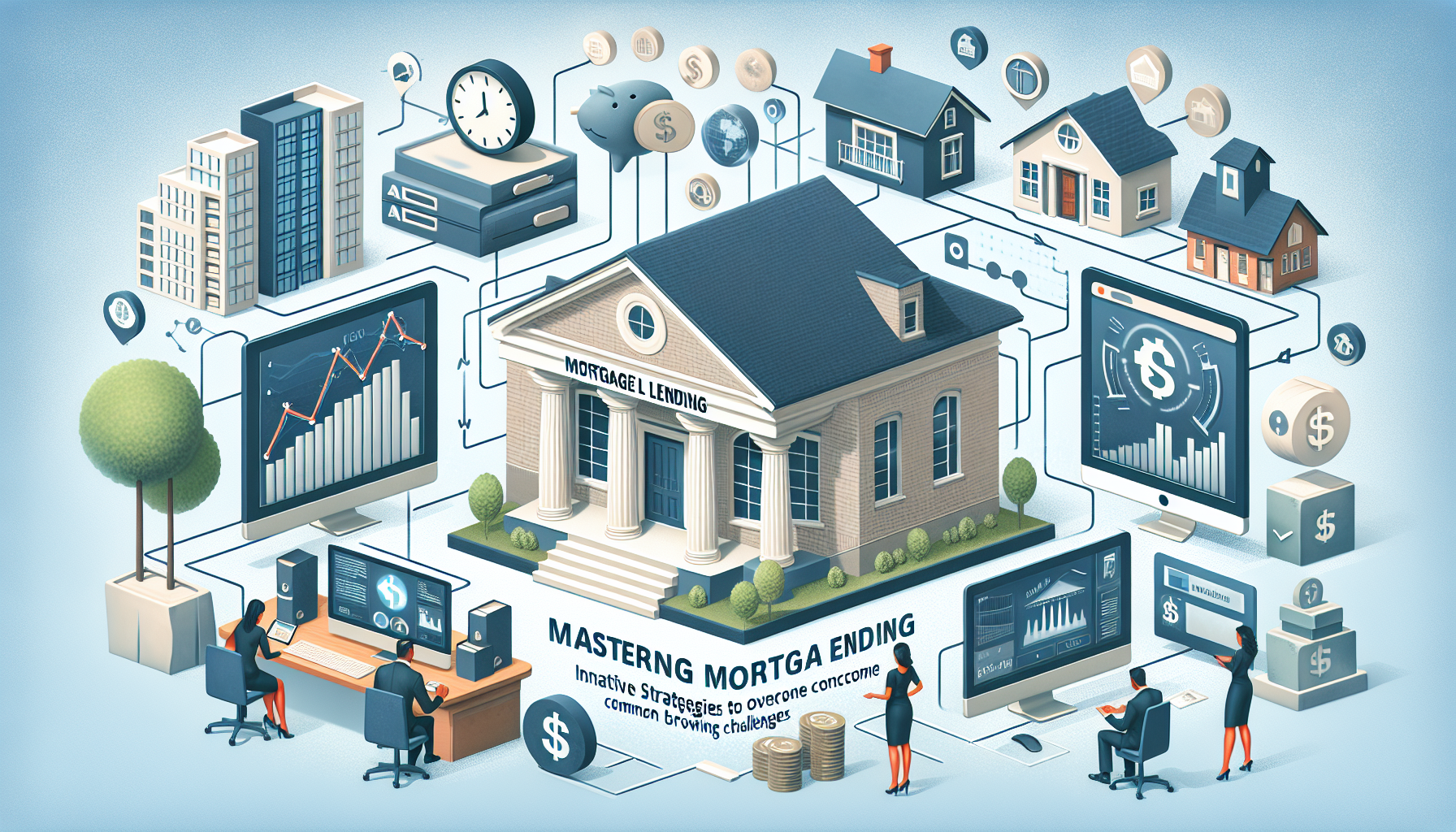
Unlocking Mortgage Lending: Effective Strategies to Tackle Common Borrowing Obstacles
⚡ TL;DR: This guide outlines effective strategies to tackle prevalent challenges in mortgage lending.
📋 What You’ll Learn
In this detailed guide on mortgage lending, I’ve compiled everything you need to know based on my research. Here’s what I’ll cover:
- Comprehend the essentials of mortgage lending – I’ve found that grasping the basics is crucial for informed decision-making.
- Explore innovative borrowing strategies – I’ve discovered how technology and alternative lending options can enhance your experience.
- Conquer common obstacles in mortgage lending – I’ve identified hurdles like high debt-to-income ratios and the burden of paperwork.
- Navigating the mortgage lending environment – I’ve learned that establishing relationships with lenders can lead to better terms and services.
I’ve been researching the world of mortgage lending for quite some time now, and it’s fascinating how this complex process can significantly impact homeownership. In my experience with mortgage lending, I’ve learned that understanding the nuances can make a world of difference. Today, I want to share what I’ve discovered about overcoming common borrowing challenges in this space.
As I researched deeper into mortgage lending, I realized that many aspiring homeowners face hurdles that can seem overwhelming. Whether it’s understanding interest rates or navigating credit scores, these challenges can deter even the most determined buyers. Let’s explore some innovative strategies to tackle these issues head-on.
Understanding Mortgage Lending
This section delivers a foundational knowledge of mortgage lending, crucial for anyone aiming to successfully navigate the borrowing landscape.
What is Mortgage Lending?
In my perspective, mortgage lending is the process by which lenders provide funds to borrowers for purchasing real estate. This typically involves a series of complexities that can be daunting for first-time buyers. I’ve found that grasping the basics is crucial for making informed decisions.
Essentially, mortgage lending consists of a lender providing a loan that is secured by the property itself. This implies that if a borrower defaults, the lender has the right to claim the property. Understanding this dynamic helps borrowers recognize the importance of their obligation to repay the loan.
The Importance of Credit Scores in Mortgage Lending
From my research, I’ve discovered that credit scores play a pivotal role in mortgage lending. Lenders use these scores to assess the borrower’s creditworthiness. A higher score can lead to better interest rates, which can save thousands over the life of the loan. I’ve seen how a slight improvement in credit can significantly change the outcome for potential homeowners.
To illustrate, I often recommend checking your credit report before applying for a mortgage. This allows you to address any discrepancies that may negatively affect your score. I’ve found that being proactive in this area can lead to more favorable lending conditions.
Innovative Approaches in Mortgage Lending
In this section, I’ll share some innovative approaches that can enhance your experience with mortgage lending.
Utilizing Technology in Mortgage Lending
I’ve noticed that technology is reshaping mortgage lending . Online platforms and mobile applications enable borrowers to access real-time data about rates and loan options. This transparency empowers potential buyers to make more informed choices.
For instance, various applications now allow users to compare multiple mortgage products side by side. I recommend leveraging these tools to uncover the best available offers. They often provide in-depth insights that traditional approaches may overlook.
Exploring Alternative Lending Opportunities
I’ve found that exploring alternative lending options can be a game-changer in mortgage lending. Many borrowers may not realize that options such as peer-to-peer lending and seller financing are available. These alternatives can sometimes present better terms than conventional loans.
For example, seller financing allows the seller to assume the role of the lender, simplifying the process and offering greater flexibility. Based on my experiences, having a diverse range of options increases the likelihood of finding an appropriate mortgage solution.
Common Obstacles in Mortgage Lending
This section highlights some of the common challenges borrowers encounter in the mortgage lending process.
High Debt-to-Income Ratios
From my observations, one significant hurdle in mortgage lending is the debt-to-income (DTI) ratio. Lenders typically prefer a DTI below 43%. Thus, if your monthly debts surpass that limit, obtaining a mortgage may become challenging.
I’ve always advised potential borrowers to assess their financial health and consider strategies to lower their DTI before applying. Reducing debt or increasing income can significantly improve your borrowing capacity.
Documentation and Paperwork
I’ve discovered that the amount of paperwork involved in mortgage lending can be quite daunting. Many borrowers are often caught off guard by the extensive documentation needed, leading to frustration and delays.
[vista_click_2]
To mitigate this, I recommend creating an early checklist of required documents. This should include income statements, tax returns, and bank statements. Being organized can facilitate the application process and minimize stress.
Navigating the Mortgage Lending Landscape
In this section, I’ll provide tips on successfully navigating the mortgage lending landscape.
Building Relationships with Lenders
I’ve learned that building a rapport with lenders can be incredibly beneficial in mortgage lending. Establishing a strong rapport may result in improved terms and more tailored service. Lenders value when borrowers take the initiative to understand their options and actively participate in the process.
In my understanding, attending local homebuyer workshops can also help you connect with lenders. These events often provide valuable insights and networking opportunities, broadening your understanding of the lending landscape.
Being Prepared for Market Fluctuations
I’ve found that the mortgage lending environment is perpetually changing, influenced by various economic factors. Staying updated on market trends can assist borrowers in making better choices. For example, recognizing when interest rates are climbing may prompt quicker decisions to lock in a rate.
Stay informed by following economic news and consulting with financial advisors regularly. This proactive approach has proven advantageous for many of my peers navigating the intricacies of mortgage lending.
Common Questions Regarding mortgage lending
What is the usual duration for mortgage lending?
In my experience, the timeline for mortgage lending can differ but generally spans about 30 to 45 days from application to closure. Aspects like documentation readiness and lender responsiveness can impact this timeline.
How can I enhance my chances of obtaining a mortgage?
I’ve found that improving your credit score and reducing your debt-to-income ratio are crucial steps. Additionally, having a stable income and a significant down payment can enhance your chances of securing favorable terms in mortgage lending.
What should I consider when selecting a mortgage lender?
In my experience, it’s essential to consider the lender’s reputation, interest rates, fees, and customer service. I recommend reading reviews and comparing offers to ensure you choose the right partner for your mortgage lending needs.
Are there any government assistance initiatives for mortgage lending?
I’ve discovered that various government programs, like FHA loans, can help first-time homebuyers. These programs often provide lower down payment options and more flexible qualification criteria, significantly aiding in <a href=”#INTERNAL_LINK_mortgage lending.
What are the prevalent pitfalls in mortgage lending?
I’ve noticed that many borrowers underestimate the importance of shopping around for rates and terms. Failing to do so can lead to missed opportunities for better deals in <a href=”#INTERNAL_LINK_mortgage lending.
Frequently Asked Questions
What is mortgage lending?
In my experience, mortgage lending is the process by which a lender provides funds for acquiring real estate, secured by the property itself. Grasping the terms and conditions is critical for borrowers.
How do interest rates influence mortgage lending?
I’ve found that interest rates greatly impact monthly payments and overall loan costs. A lower rate can save thousands over the term of the loan, making it essential to shop around.
What documents are necessary for mortgage lending?
In my experience, key documents include proof of income, tax returns, bank statements, and identification. Being organized with these documents can expedite the mortgage lending process.
Can I secure a mortgage with poor credit?
I’ve discovered that while it’s challenging, options like FHA loans may be available for those with less-than-perfect credit. Improving your score before applying can also enhance your chances.
Conclusion
In conclusion, my research on mortgage lending has demonstrated that comprehending the process and being well-prepared can significantly impact your ability to overcome common challenges. I hope this guide assists you in navigating the intricacies of mortgage lending and paves the way to successful homeownership.
[vista_click_3]